
Daily, weekly, monthly and annual maintenance schedules for liquid filling machines. Extend service life, cut breakdown frequency and lower long-term repair costs.
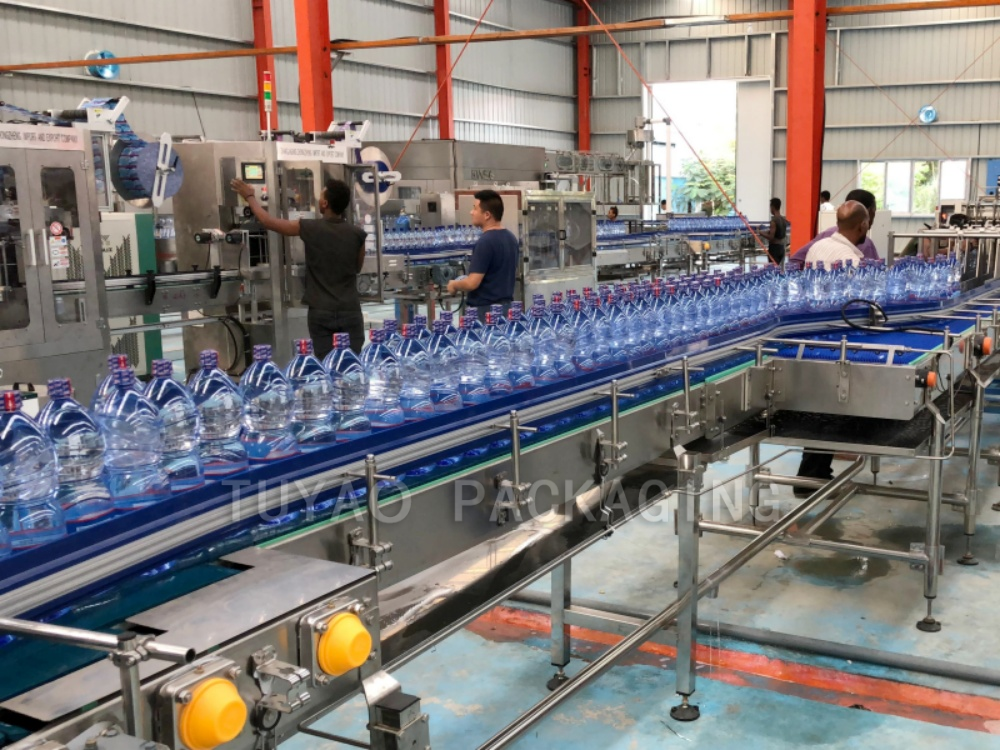
Rotary filling machines and integrated bottling lines are the core fixed assets of beverage plants, representing the largest single investment for most factories. Scheduled routine maintenance avoids sudden unexpected breakdowns during peak production seasons, greatly extends equipment service life and reduces long-term repair costs by up to 60%.
Many factories neglect routine maintenance to save time and money, but this is a false economy. A $10 sealing gasket that is not replaced on time can cause a full line shutdown that costs $10,000 in lost production. We compile a practical tiered maintenance checklist accumulated from decades of on-site service experience, easy for your workshop maintenance team to follow directly.
Daily inspection takes only 15–20 minutes but prevents 80% of common sudden breakdowns. It should be performed by the line operator every day before startup and after shutdown.
Before Startup
1. Check stable power, compressed air and process water supply pressure. Ensure all pressure gauges show readings within the normal range.
2. Walk along the entire line and inspect for loose bolts, leaking pipe joints and abnormal component displacement.
3. Verify lubricant liquid level for reducers and main bearings. Top up if necessary.
4. Adjust conveyor belt tension and clear any stray bottle fragments and debris from the conveyor and machine frames.
5. Check all control panel indicator lights and sensor signal feedback. Test emergency stop buttons to ensure they work properly.
During Continuous Operation
Monitor unusual vibration, abnormal noise and strange odors in real time. Inspect filling liquid level consistency and capping tightness randomly every hour. Keep a log of any minor issues that occur during production.
After Production Shutdown
1. Fully flush filling valves, circulation pipelines and liquid storage tanks with clean water to remove residual beverage liquid. This prevents bacterial growth and valve clogging.
2. Clean outer machine frames and conveying chains thoroughly to remove spilled liquid and dust.
3. Cut off power, gas and water main switches completely.
4. Fill in daily equipment running log records in detail, including production output, downtime duration and any issues encountered.
Carry out every weekend after production stops. This takes approximately 2–3 hours for a medium-sized line.
1. Refill grease for all chain sprockets, bearings and moving hinges. Use only the recommended type of grease for each component.
2. Inspect conveyor belt wear degree and adjust tension evenly on both sides. Replace any damaged or excessively worn belt sections.
3. Tighten loose electrical wiring terminals and check aging cable insulation.
4. Clean air filter elements and liquid filter screens thoroughly. Replace them if they are clogged or damaged.
5. Execute full machine external sanitization using food-grade disinfectant, especially for parts that come into contact with the beverage.
This is a more thorough inspection that should be performed by your maintenance technician.
1. Listen to motor and reducer running sound using a stethoscope. Check housing temperature rise – it should not exceed 40°C above ambient temperature.
2. Inspect filling valve sealing gaskets for aging deformation and replace worn units proactively. This is the most common cause of filling volume inconsistency.
3. Calibrate pressure gauges and liquid level sensors to ensure accurate readings.
4. Adjust capping head torque to avoid loose caps or cap damage. Test capping tightness on a sample of bottles.
5. Inspect chain and sprocket wear. Adjust chain tension and replace any excessively worn sprockets.
The annual overhaul is the most comprehensive maintenance activity, and should be performed during the production off-season. It involves partial disassembly of the core machine components for inspection and replacement of all worn parts.
1. Partial disassembly of core rotary filling turret for full internal cleaning and inspection.
2. Uniform replacement of all aging rubber seals, O-rings and vulnerable wearing parts.
3. Full replacement of circulating hydraulic oil and gear lubricant.
4. Complete calibration of all metering and positioning sensors.
5. Full line no-load test run and overall parameter re-optimization.
6. Update equipment maintenance records and create a maintenance plan for the next year.
| Common Fault Troubleshooting Quick Reference | ||
| Fault Phenomenon | Most Common Root Causes | Solutions |
| Unstable filling volume | 1. Blocked filling valve nozzle 2. Fluctuating liquid tank pressure 3. Worn sealing gasket | 1. Clean filling valve thoroughly 2. Stabilize inlet liquid pressure 3. Replace sealing gasket |
| Excessive bottle breakage | 1. Improper gripper adjustment 2. Too fast conveyor speed 3. Poor quality bottles | 1. Re-adjust bottle gripper tension 2. Slow down line speed 3. Change to better quality bottles |
| Conveyor belt persistent deviation | 1. Uneven roller parallelism 2. Uneven belt tension 3. Damaged roller | 1. Adjust two sides of roller tension symmetrically 2. Equalize belt tension 3. Replace damaged roller |
| Loose caps | 1. Incorrect capping head torque 2. Worn capping head pads 3. Misaligned cap feeder | 1. Adjust capping torque 2. Replace capping pads 3. Align cap feeder position |
1. Safety first: Always cut power supply and hang warning tags before any disassembly maintenance work. Never perform maintenance on a running machine.
2. Use original spare parts: Prioritize original manufacturer spare parts replacement to guarantee fitting precision and equipment performance. Generic parts may save money initially but cause more problems later.
3. Keep detailed records: Build independent equipment maintenance archives for each production line, record every overhaul date, replaced components and running performance.
4. Train your team: Provide regular maintenance training for your technicians to improve their skills and knowledge of the equipment.
Our global after-sales team provides remote maintenance guidance and spare part supply support anytime you need technical assistance. We also offer on-site annual overhaul services for clients who do not have their own professional maintenance teams.
 EN
EN
