
7 field-verified tips to lift filling line efficiency, cut unplanned downtime and reduce per-unit production cost for your liquid packaging workshop.
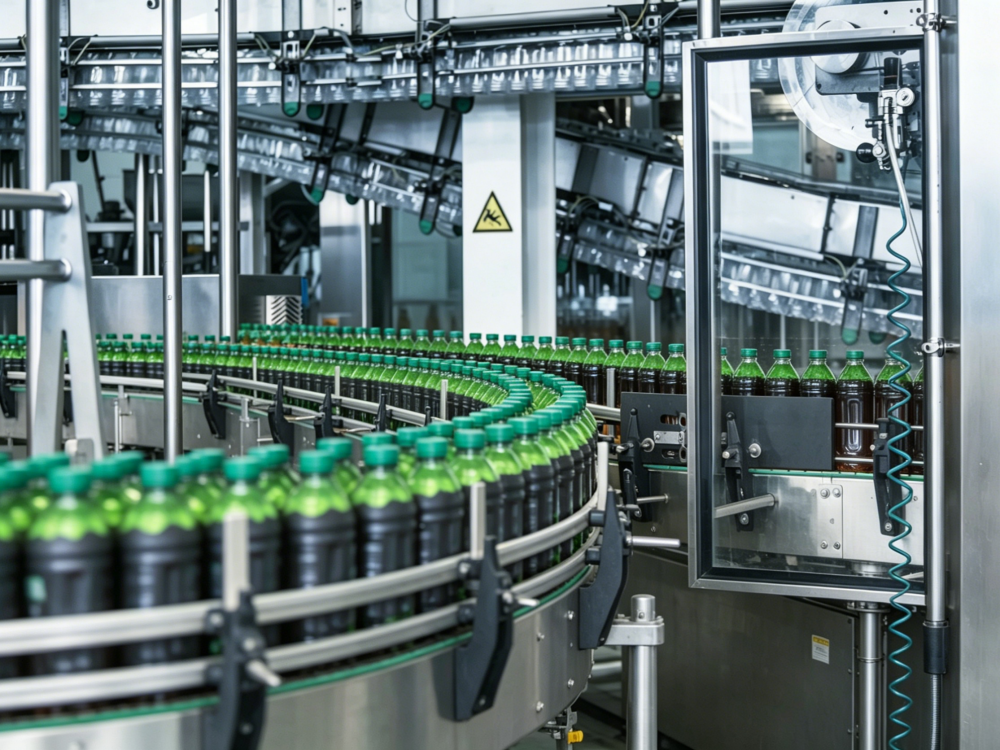
In beverage manufacturing, stable line productivity directly decides gross profit margin. Even a 5% improvement in line efficiency can translate to tens of thousands of dollars in additional profit each year for a medium-sized factory. Over years of on-site line commissioning and optimization projects worldwide, we summed up seven actionable methods to raise bottling line efficiency, all validated in real factory operations.
Poor workshop layout is one of the most common causes of low productivity. It creates unnecessary bottle conveying backtracking, frequent line bottlenecks and increased bottle breakage. Many factories add new equipment over time without considering the overall flow, turning their production line into a confusing maze that slows down everything.
The ideal layout arranges all machines strictly following the production sequence from bottle feeding to finished packing. There should be no cross-flow of materials or personnel, and each machine should have enough maintenance access space around it. The conveying speed of adjacent equipment must be perfectly matched to avoid bottle accumulation at transfer points.
For existing old production lines, simple conveyor adjustment and position rearrangement can deliver obvious efficiency improvements without large equipment upgrades.
Frequent SKU switching eats up valid production hours seriously for multi-product factories. For a factory that changes products 4 times per week, even reducing changeover time by 1 hour per switch adds 208 hours of additional production time per year – that’s over 5 full weeks of production.
The most effective ways to reduce changeover time include:
● Adopt quick-release fixtures for bottle holders and guide rails
● Prepare changeover tools and spare parts in fixed storage zones in advance
● Standardize written switchover operation checklists for operators
● Train dedicated changeover teams that specialize in fast product switches
Our quick-change filling valve structure reduces full bottle size switching time from several hours to less than 1 hour, which has helped many of our clients double their number of product SKUs without losing production time.
Sudden mechanical breakdowns are the top cause of unexpected line shutdown. Many factories follow a “break-fix” maintenance model – they only repair equipment after it breaks down. This leads to long unplanned downtime during peak production seasons and much higher repair costs.
Implementing a strict preventive maintenance schedule reduces breakdowns by 70–80% on average. Build a daily, weekly and monthly maintenance checklist for your liquid filling machine:
● Daily: Check lubrication levels, tighten loose fasteners, clean filter screens
● Weekly: Inspect conveyor belt wear, lubricate chains and bearings, clean air filters
● Monthly: Inspect filling valve sealing gaskets, calibrate sensors, check electrical connections
Stock commonly used spare seals, bearings and solenoid valves locally to cut waiting time for component replacement. For critical parts that have long delivery times, keep at least one spare in stock at all times.
Even top-tier filling equipment runs poorly with untrained staff. A skilled operator can identify and fix small problems before they cause a full line shutdown, while an untrained operator may turn a minor issue into a major breakdown that takes hours to fix.
Invest in systematic training for your operators:
● Deliver standardized operation training for new workers before they start working independently
● Organize monthly skill sharing sessions for senior operators to share tips and best practices
● Train cross-skilled staff who can take over multiple stations during shift handovers or absences
● Create incentive programs that reward operators for high line efficiency and low downtime
Poor production planning is another major cause of low line efficiency. Many factories overload their lines for long continuous shifts to meet rush orders, leading to increased equipment wear and breakdowns. Others split small batches into excessive frequent stops, wasting hours on changeovers.
Match daily production orders with line rated capacity reasonably. Avoid running the line at more than 90% of its rated capacity for extended periods. Group similar products together in the production schedule to minimize changeover frequency. Adopt simple production scheduling software to align raw material arrival, bottle pre-production and filling line operation seamlessly.
Manual operations are slow, inconsistent and prone to error. Replacing manual bottle sorting, case packing and palletizing with automated modules can significantly increase end-of-line speed and reduce labor costs.
Fully automatic integrated filling lines reduce labor dependency and keep stable hourly output consistently.
Production efficiency improvement is not a one-time project – it’s a continuous process. Set up a regular process review mechanism, and encourage on-site operators to submit small improvement suggestions for bottle jamming, overflow and minor frequent faults.
Many of the best efficiency improvements come from the operators who work with the equipment every day. Small accumulated optimizations bring remarkable long-term total efficiency growth.
If your current bottling line faces low utilization rate or frequent jamming problems, our engineers can provide remote line optimization diagnosis suggestions at no cost. Just send us your line layout and production data, and we will help you identify areas for improvement.
 EN
EN
