For a new beverage factory, choosing a filling machine is only one part of the project. The final performance of a production line depends on how well the processing equipment, filling system, packaging machines, utilities and workshop layout work together.
A line may look complete on paper but still create problems during daily production if conveyors are poorly arranged, changeovers take too long, or the filling system does not match the product. This is why many beverage manufacturers choose a turnkey beverage filling line instead of purchasing separate machines from different suppliers.
A turnkey project brings the main stages of the production process into one coordinated plan—from the first product discussion to installation, commissioning and operator training.
Every filling line should begin with the beverage itself. Water, juice, carbonated soft drinks, canned beverages and edible oil all require different production conditions.
For example, a carbonated soft drink line may require a carbonator, beverage chiller and isobaric filling system to help control foaming and CO2 loss. A juice line may need blending tanks, homogenization, sterilization and hot filling equipment. An edible oil line may require piston, flow-meter or load-cell filling technology, together with anti-drip filling heads.
The package is equally important. PET bottles, glass bottles, aluminum cans and 5-liter jerrycans have different handling and sealing requirements. Bottle volume, neck size, cap style and container shape all affect the design of the rinsing, filling, capping, labeling and packing sections.
Before selecting equipment, a supplier should understand:
● The beverage or liquid product to be filled
● Bottle, can or container material
● Container size and shape
● Required production capacity
● Filling temperature and hygiene requirements
● Packaging format and target market
This information provides the foundation for a practical line configuration.
Production capacity should be based on actual market demand, not only on the highest available machine speed. A start-up beverage brand may need a compact and flexible line, while an established producer may require a high-speed rotary system with automated secondary packaging.
Capacity planning should also consider future growth. If the factory may add a second product or larger bottle format, the initial layout should leave enough space for expansion. It is often more efficient to reserve space and utility connections during the first installation than to rebuild the workshop later.
A professional supplier can compare different line configurations and explain the relationship between output, automation, labor requirements, investment and maintenance. This helps the buyer choose a system that is suitable for both current production and long-term development.
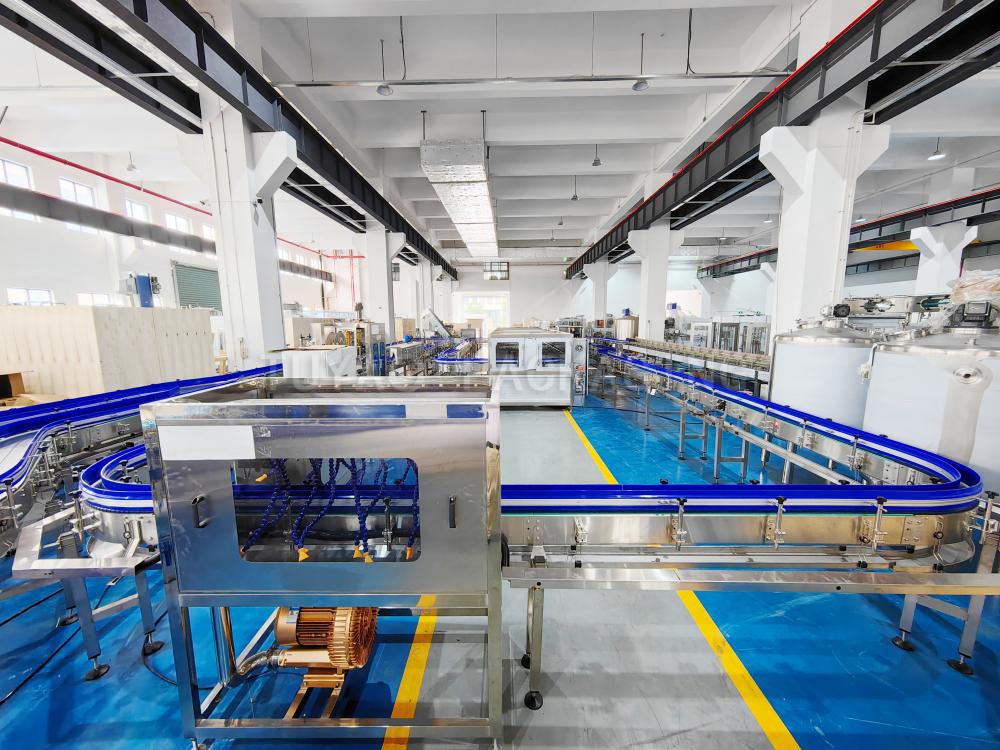
A clear factory layout is one of the most important parts of a turnkey beverage project. The layout should show the position of each machine, conveyor direction, operator access, maintenance space, product flow and utility connections.
A typical beverage line may include:
1. Water treatment or product preparation
2. Bottle blowing or empty-container feeding
3. Rinsing and filling
4. Capping or can seaming
5. Labeling and date coding
6. Shrink wrapping, carton packing or case packing
7. Palletizing and finished-product storage
A good layout reduces unnecessary conveying distance and makes cleaning, inspection and maintenance easier. It also helps the customer confirm whether the proposed line will fit the available workshop before manufacturing begins.
TUYAO PACKAGING provides customized layout planning according to the customer’s factory dimensions, product requirements and target capacity. This engineering step helps connect individual machines into a complete production system rather than a collection of unrelated equipment.
A turnkey filling line should operate as one system. The filling machine, conveyors, labeling machine, packing equipment and inspection devices need compatible speeds and control signals.
PLC-based control allows operators to monitor the line, adjust production parameters and respond to abnormal conditions. Safety protection, emergency stops and automatic alarms can also help reduce operating risks and unnecessary downtime.
Hygiene is another key consideration. Liquid-contact parts should be made from suitable food-grade stainless steel, and the machine structure should allow convenient cleaning and inspection. The exact material and design depend on the product and applicable requirements.
Before shipment, the equipment should be checked and tested according to the agreed specifications. Factory testing gives the customer an opportunity to review the machine operation and confirm important details before delivery.
After the equipment arrives, installation and commissioning connect the mechanical, electrical and utility systems at the customer’s site. Operator training should cover machine operation, changeover procedures, routine cleaning, troubleshooting and basic maintenance.
After-sales support remains important after production starts. Spare parts availability, technical guidance and timely communication help the customer keep the line running and respond to future production needs.
With more than 22 years of engineering experience, TUYAO PACKAGING provides filling and packaging solutions for water, juice, carbonated soft drinks, canned beverages, edible oil and other liquid products. The company supports customers from project consultation and layout design to equipment manufacturing, installation guidance, commissioning and after-sales service.
The right turnkey beverage filling line is not simply the line with the most machines or the highest advertised speed. It is the system that matches your product, package, workshop, production target and future plans.
If you are planning a new beverage factory or upgrading an existing line, send TUYAO PACKAGING your product type, container size, target capacity and factory information. Our engineers can help you evaluate the suitable filling technology and prepare a practical production line proposal.
 EN
