
Compare PET, glass, and aluminum beverage packaging. Learn the pros and cons of each material and how to choose the right one for your product and target market.
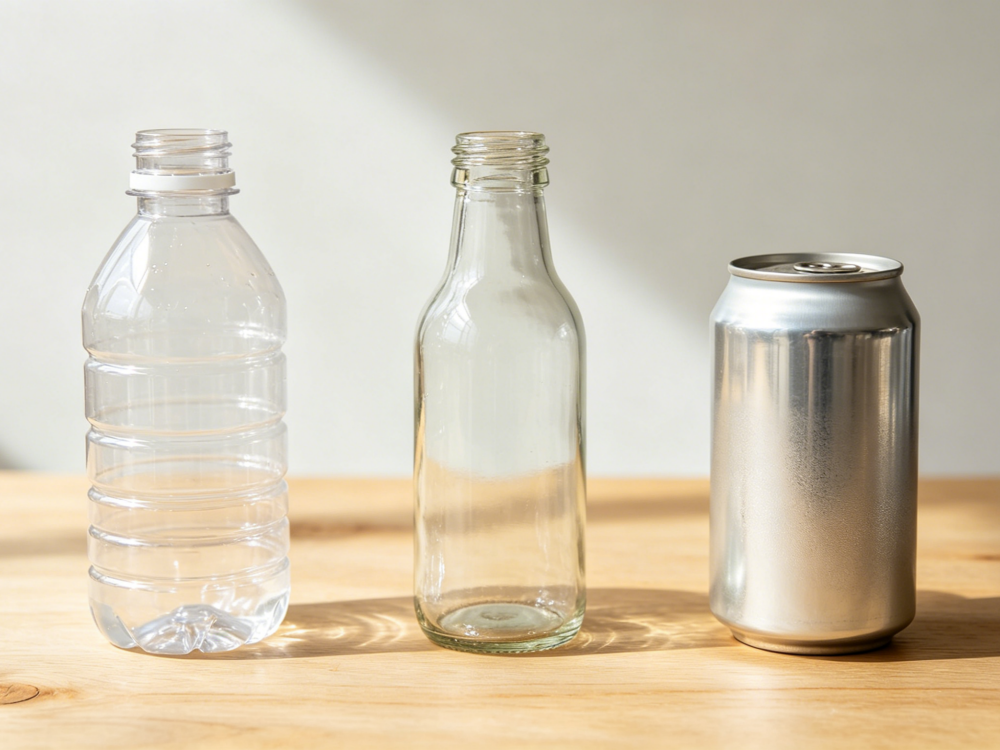
Choosing the right packaging material is one of the most important decisions a beverage brand will make. The packaging not only protects the product and preserves its quality, but it also plays a crucial role in branding, consumer perception, and overall cost.
Today, the three most common packaging materials for beverages are PET (polyethylene terephthalate) plastic, glass, and aluminum. Each has its own unique advantages and disadvantages, and the best choice depends on a variety of factors, including your product type, target market, budget, and sustainability goals.
At TUYAO PACKAGING, we manufacture filling lines for all three packaging types. Over the years, we’ve helped hundreds of clients choose the right packaging solution for their beverages. In this article, we’ll compare PET, glass, and aluminum in detail, helping you make an informed decision for your brand.
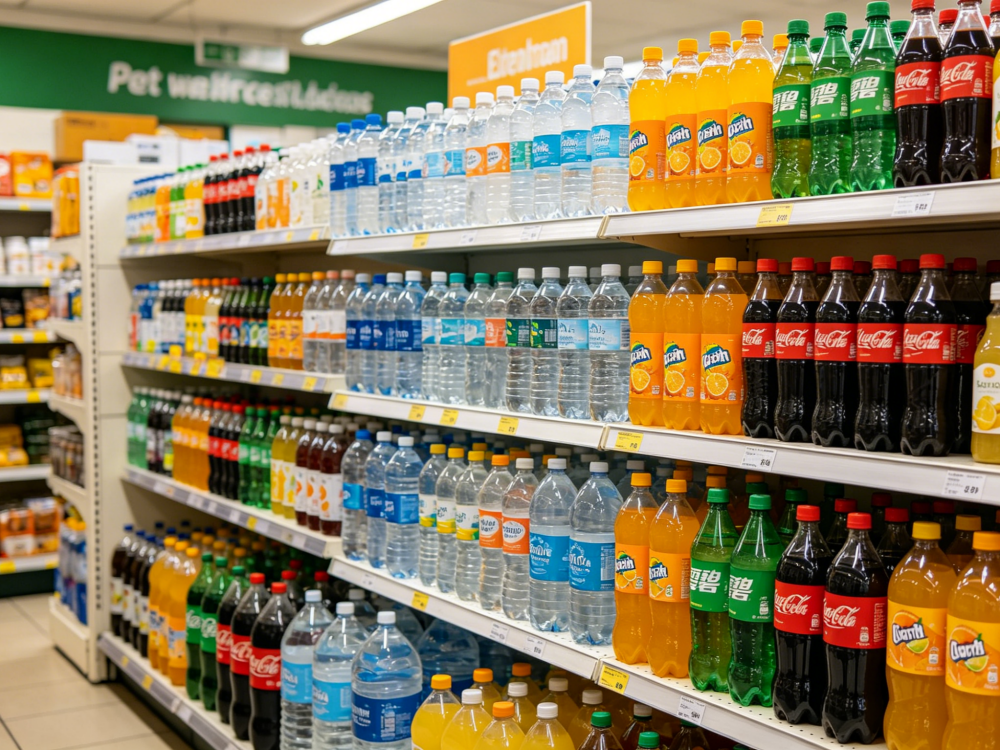
PET is by far the most popular packaging material for beverages today, accounting for approximately 65% of the global beverage packaging market. It’s used for everything from bottled water and soft drinks to juice, tea, and sports drinks.
· Lightweight: PET bottles are extremely lightweight, weighing only a fraction of what glass or aluminum containers weigh. This significantly reduces transportation costs, as more product can be shipped in each truckload. It also makes PET bottles easier and more convenient for consumers to carry.
· Shatter-resistant: Unlike glass, PET doesn’t break when dropped. This makes it safer for consumers and reduces product loss during transportation and handling. It also eliminates the risk of broken glass contaminating production lines or retail shelves.
· Low cost: PET is the least expensive of the three materials to produce and process. PET bottles are also easy to manufacture, with high-speed blow molding machines capable of producing thousands of bottles per hour.
· Design flexibility: PET can be molded into almost any shape or size, giving brands tremendous design flexibility. This allows you to create unique bottle shapes that stand out on store shelves and reinforce your brand identity.
· Recyclable: PET is 100% recyclable, and recycled PET (rPET) is widely used in the production of new beverage bottles. Many brands are now using increasing amounts of rPET in their packaging to meet sustainability goals.
· Lower barrier properties: PET has lower gas barrier properties than glass or aluminum. This means that oxygen and carbon dioxide can slowly permeate through the bottle walls over time, affecting the product’s shelf life and quality. For example, carbonated drinks in PET bottles will lose their fizz faster than those in glass or aluminum cans.
· Perceived quality: PET is often perceived as a lower-quality packaging material compared to glass. This makes it less suitable for premium or luxury beverage products.
· Environmental concerns: While PET is recyclable, recycling rates vary widely around the world. Many PET bottles still end up in landfills or oceans, contributing to plastic pollution. This has led to increased consumer concern about plastic packaging and a growing demand for more sustainable alternatives.
Best for: Bottled water, soft drinks, juice, tea, sports drinks, and other mass-market beverages.
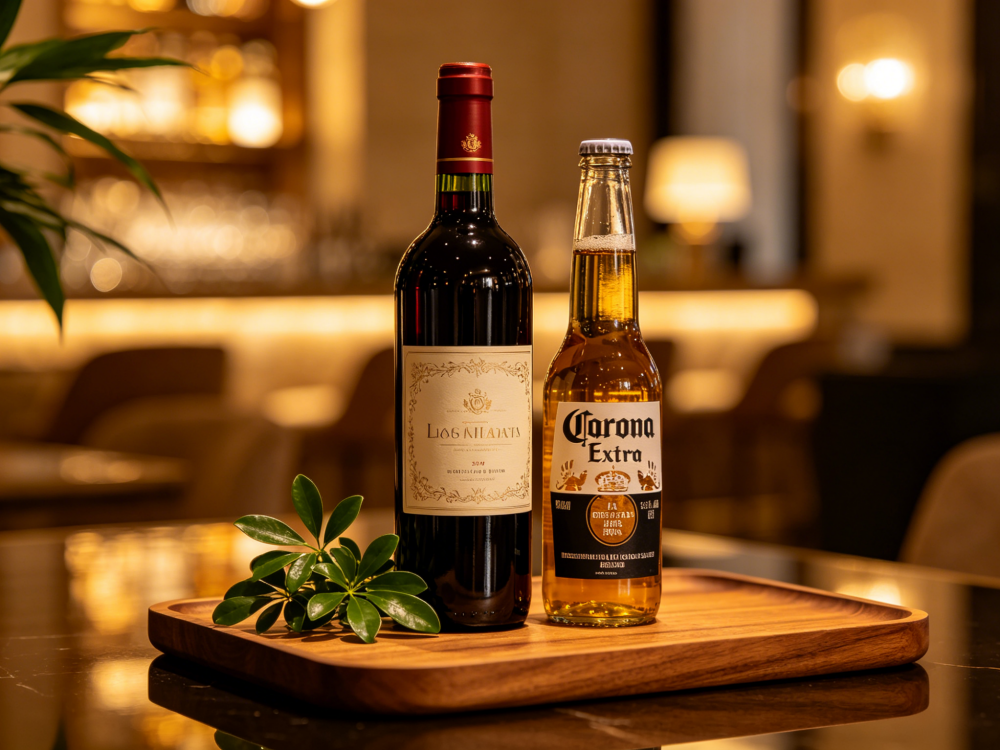
Glass is the oldest packaging material for beverages, and it’s still widely used today for premium and specialty products. It’s particularly popular for craft beer, wine, spirits, and high-end juices.
· Superior barrier properties: Glass is completely impermeable to gases and liquids. This means that it preserves the product’s flavor, aroma, and carbonation perfectly, with no risk of chemical leaching. Beverages in glass bottles have the longest shelf life and maintain their quality better than those in any other packaging material.
· Premium image: Glass is associated with high quality, purity, and luxury. It conveys a sense of craftsmanship and attention to detail that plastic or aluminum can’t match. This makes it ideal for premium products that command higher prices.
· Inert and non-reactive: Glass is chemically inert, meaning it doesn’t react with the beverage inside. This ensures that the product’s original taste and quality are preserved, even over long periods of time.
· Highly recyclable: Glass is 100% recyclable and can be recycled infinitely without losing its quality or purity. It also has a relatively high recycling rate in many parts of the world.
· Heavy and fragile: Glass is much heavier than PET or aluminum, which significantly increases transportation costs. It’s also very fragile, leading to high product loss during transportation and handling. Broken glass also poses a safety hazard to workers and consumers.
· High cost: Glass bottles are more expensive to produce than PET bottles. They also require more energy to manufacture and transport, further increasing costs.
· Limited design flexibility: While glass can be molded into various shapes, it’s less flexible than PET. Complex or unusual shapes are more expensive to produce in glass.
· Heavy and cumbersome: Glass bottles are heavier and more difficult for consumers to carry than PET bottles or aluminum cans. This makes them less convenient for on-the-go consumption.
Best for: Premium juices, craft beer, wine, spirits, and other high-end beverage products.
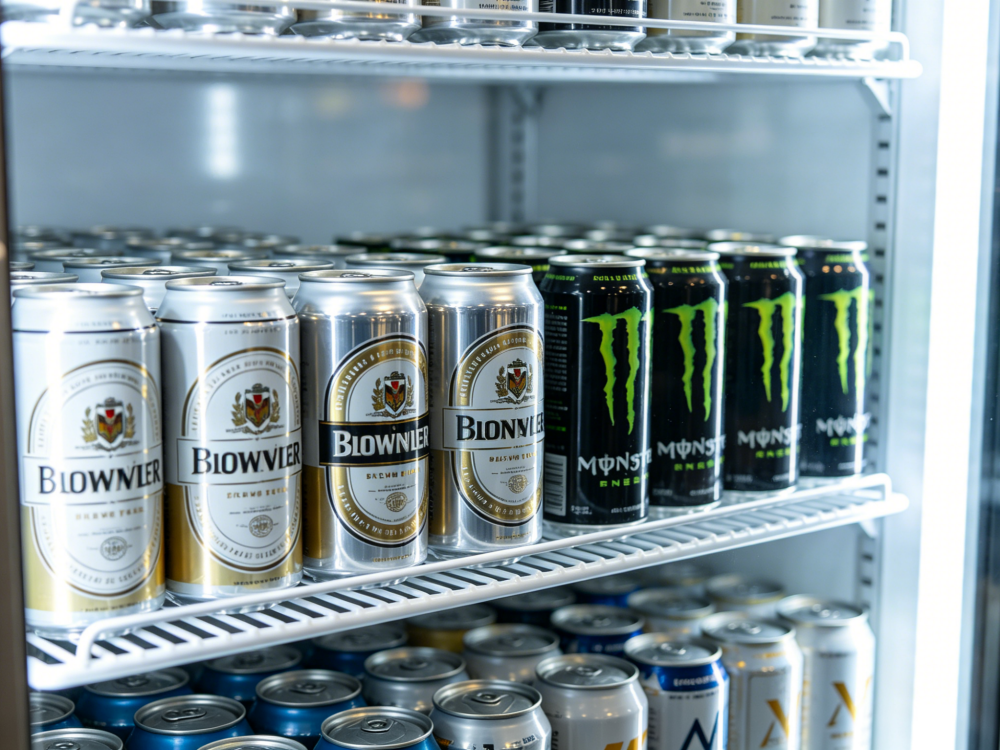
Aluminum cans have been growing in popularity in recent years, particularly for craft beer, energy drinks, and ready-to-drink cocktails. They now account for approximately 18% of the global beverage packaging market.
· Excellent barrier properties: Aluminum has excellent gas barrier properties, second only to glass. It completely blocks light, oxygen, and moisture, preserving the product’s quality and extending its shelf life. This makes it ideal for light-sensitive beverages like beer.
· Lightweight and durable: Aluminum cans are much lighter than glass bottles, reducing transportation costs. They’re also very durable and shatter-resistant, with no risk of breakage during transportation or handling.
· Fast cooling: Aluminum conducts heat very well, which means that canned beverages cool down much faster than those in glass or plastic bottles. This is a major advantage for consumers and retailers.
· High recycling rate: Aluminum has the highest recycling rate of any beverage packaging material, with a global average of 71%. It also has the highest closed-loop recycling rate, meaning that most recycled aluminum cans are turned into new aluminum cans.
· Space-efficient: Aluminum cans are stackable and take up less space than bottles, making them easier to store and transport. They also fit perfectly in standard vending machines and coolers.
· Higher cost than PET: Aluminum cans are more expensive to produce than PET bottles. The cost of aluminum is also more volatile than the cost of plastic, which can make budgeting difficult.
· Limited transparency: Aluminum cans are opaque, so consumers can’t see the product inside. This can be a disadvantage for beverages that rely on visual appeal to attract customers.
· Potential for metallic taste: While modern aluminum cans have a protective lining that prevents the beverage from coming into contact with the metal, some consumers still report detecting a slight metallic taste.
· Limited design flexibility: Like glass, aluminum cans have limited design flexibility compared to PET. While you can print almost anything on a can, the basic shape is relatively standard.
Best for: Beer, energy drinks, soft drinks, ready-to-drink cocktails, and beverages that require long shelf life.
When choosing between PET, glass, and aluminum, consider the following factors:
1. Product type: What kind of beverage are you producing? Carbonated drinks require good barrier properties to retain CO₂. Light-sensitive beverages like beer need protection from light. Premium products may benefit from the perceived quality of glass.
2. Target market: Who is your target audience? Young, on-the-go consumers may prefer the convenience of PET bottles or aluminum cans. Older, more affluent consumers may be willing to pay more for glass packaging.
3. Budget: What is your budget for packaging? PET is the least expensive option, followed by aluminum and then glass.
4. Distribution: How far will your product be shipped? The heavier the packaging, the higher the transportation costs. If you’re shipping long distances, PET or aluminum may be the better choice.
5. Sustainability: What are your sustainability goals? All three materials are recyclable, but aluminum has the highest recycling rate. Glass is infinitely recyclable, while PET can be recycled into new bottles.
6. Branding: How do you want your brand to be perceived? Glass conveys premium quality, PET conveys convenience and value, and aluminum conveys modernity and sustainability.
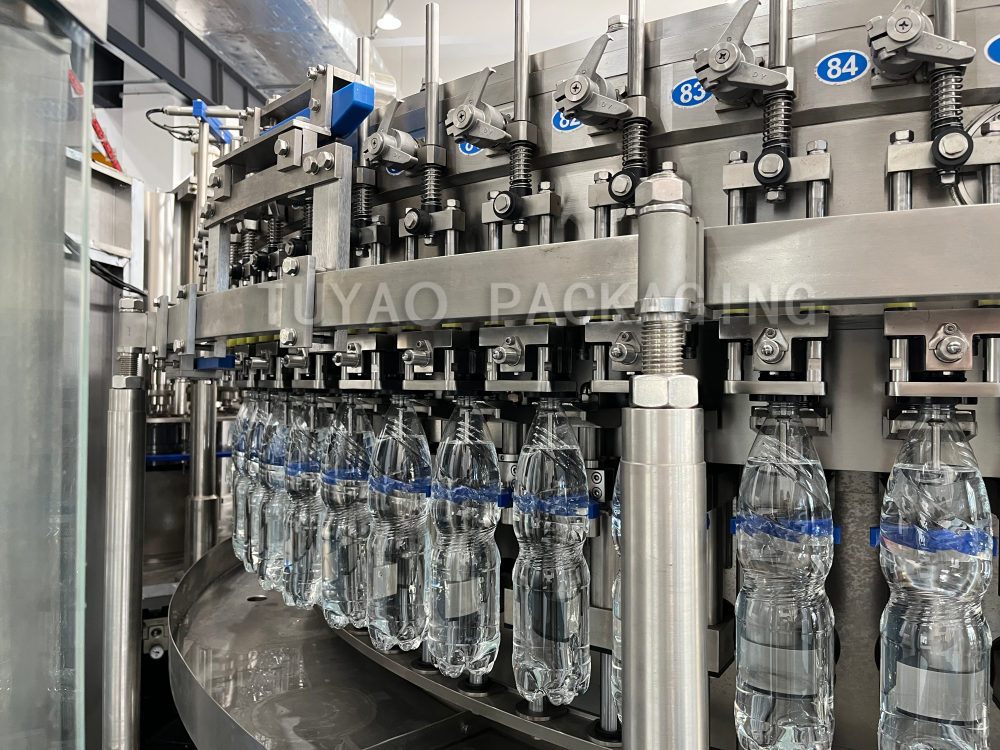
There’s no one-size-fits-all answer when it comes to choosing beverage packaging. Each material has its own unique advantages and disadvantages, and the best choice depends on your specific product, target market, and business goals.
At TUYAO PACKAGING, we manufacture high-quality filling lines for PET, glass, and aluminum packaging. Our experienced team can help you evaluate your options and choose the right packaging solution for your beverage. We can also design and build a custom filling line that meets your exact production needs.
If you’re ready to take the next step, contact us today for a free consultation. We’ll work with you to find the perfect packaging and filling solution for your brand.
 EN
EN
