
Confused about selecting a suitable bottling line? Learn how to evaluate product type, hourly capacity, budget and supplier service before purchasing a liquid filling machine. Avoid costly mistakes with this 20+ years engineer’s guide.
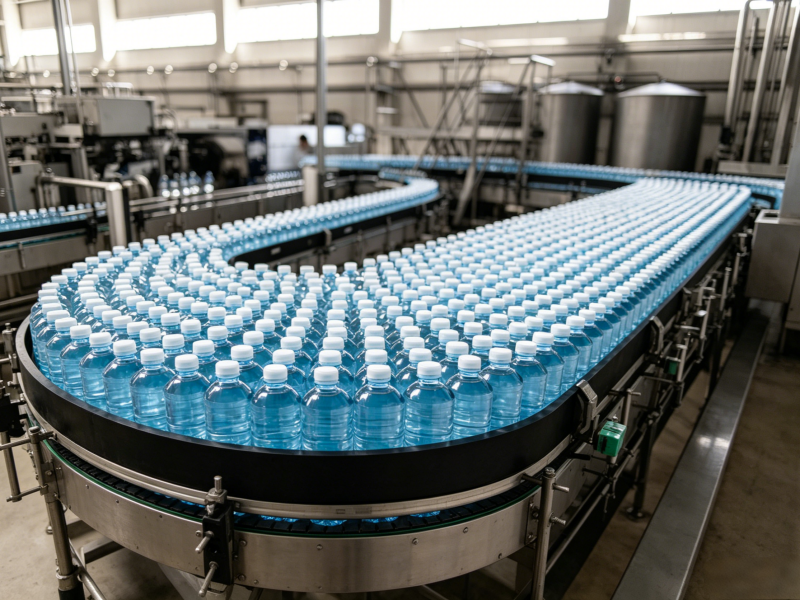
In over two decades of engineering work in liquid packaging equipment, we have met dozens of clients who made costly mistakes when purchasing filling lines. Some overinvested in excess capacity that sat idle for years; others bought mismatched filling machines that failed to meet product quality standards; many only focused on upfront price and suffered high maintenance costs later that ended up doubling their total investment.
A proper bottling line is a core long-term investment that will serve your factory for 10–15 years, so it’s crucial to make the right decision from the start. We break down the key evaluation steps clearly for plant investors, based on hundreds of successful project experiences worldwide.
This is the most important step that many first-time buyers overlook. Different liquids have totally different physical properties including viscosity, gas content, pH value and microbial sensitivity, requiring dedicated filling principles and tailored machine structures. Universal “all-in-one” machines always compromise stability and precision, and will cause endless problems in daily production.
● Still water & tea drinks: Gravity filling structure works best, with simple valve structures, low failure rate and easy daily maintenance. This is the most mature and cost-effective technology for non-carbonated low-viscosity beverages.
● Viscous juice, pulpy drinks and sauces: Piston or flowmeter filling units are necessary to avoid overflow and inaccurate liquid levels. For drinks with fruit pulp or particles, we also add special anti-clogging designs to the filling valves.
● Carbonated soft drinks (CSD) & beer: Isobaric filling valves are mandatory to prevent CO₂ loss and excessive foaming. Even a small pressure imbalance will cause massive foam overflow during filling, leading to product waste and inconsistent fill levels.
● Edible oil and lubricants: High-precision flowmeter filling avoids weight deviation during long continuous runs, which is critical for meeting legal labeling requirements for net content.
If you plan to launch multiple drink types simultaneously, we recommend a modular filling line design rather than a cheap all-in-one compromise unit. Modular lines allow you to swap only the filling valve modules when changing products, maintaining high production efficiency and product quality.
Never blindly pursue maximum output. Many buyers think “bigger is better” and end up with a line that runs at only 30% of its rated capacity, wasting capital and increasing per-unit production costs. The golden rule is to match the line speed to your current confirmed order volume plus 15–20% reserved space for future expansion.
● New small beverage factory or craft brand: 1000–3000 BPH complete filling line. This scale requires low initial investment, is easy to operate and maintain, and is ideal for testing the market.
● Regional medium plant with established distribution: 5000–12000 BPH bottling line. This capacity can cover a regional market of 5–10 million people and support moderate growth.
● Large mass-production manufacturer with national distribution: High-speed lines above 18000 BPH. These lines require significant investment and professional management teams, but offer the lowest per-unit production costs.
This is the biggest mistake we see buyers make. Many only compare quotation figures directly and choose the cheapest option, without considering long-term running costs. You need to count:
● Power consumption per hour of operation
● Wearing part replacement frequency and cost
● Local engineer service fees and response time
● Spare part delivery cycle and cost
● Equipment downtime loss due to poor reliability
A slightly higher initial payment for industrial-grade filling equipment often results in much lower annual operation expenditure. For example, a $100,000 cheaper machine may cost you $50,000 more per year in maintenance and downtime, making it much more expensive over a 10-year lifespan.
A reliable beverage filling machine manufacturer delivers more than just hardware. Factory layout drawing design, equipment installation guidance, operator training and global remote troubleshooting matter equally, especially for overseas buyers who may not have local technical support.
We always suggest overseas buyers arrange factory inspections and sample production tests before signing contracts. This allows you to check real machine running performance on site, verify the manufacturer’s production capacity, and meet the engineering team face-to-face. You should also ask for references from previous clients in your region, to get honest feedback about after-sales service.
Market demands update fast, and your business will likely grow and expand into new product categories. Ask your supplier whether the bottling line supports later speed upgrades, bottle size adjustments and additional labeling/packing modules addition. A line that cannot be upgraded will become obsolete in 3–5 years, forcing you to make another large investment.
Our technical team at TUYAO PACKAGING provides one-on-one project assessment for free. Share your production details including product type, target capacity and workshop dimensions, and we will design a targeted filling line layout without any obligation.
 EN
EN
